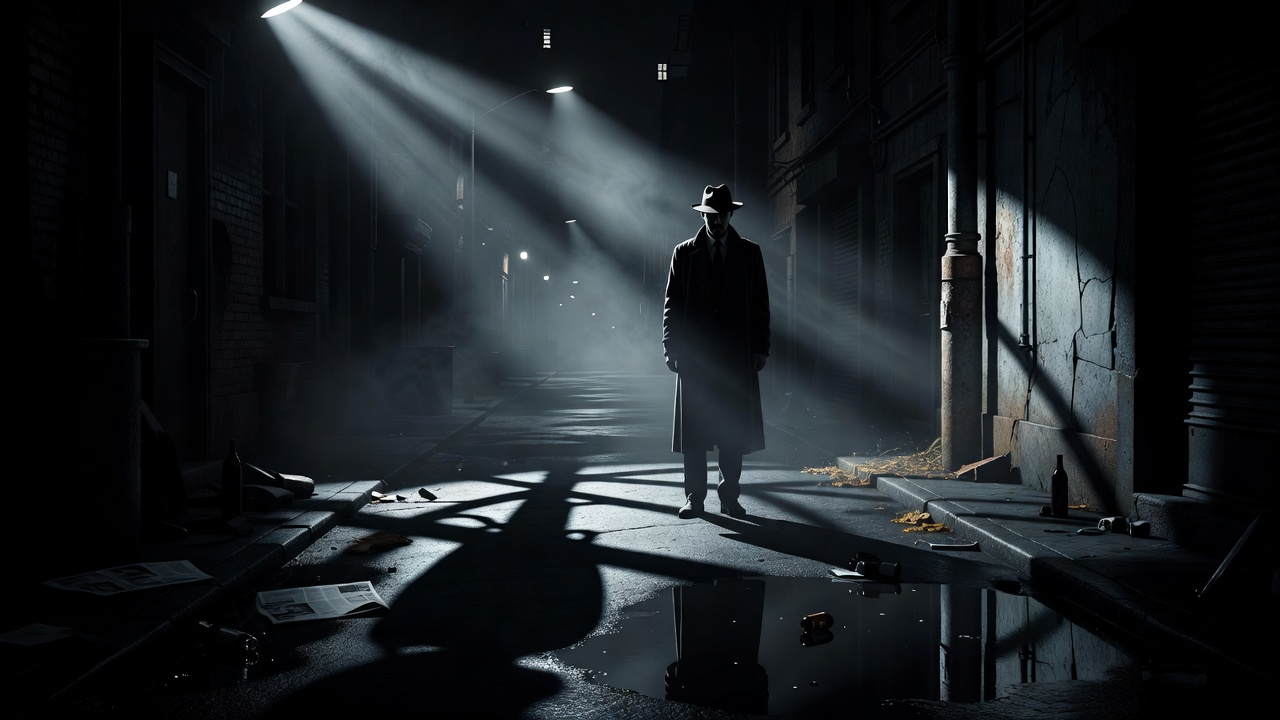
The original Film Noir era of the 1940s and 50s was defined by black-and-white shadows, rain-slicked asphalt, and cynical detective protagonists. Modern Neo-Noir takes those foundational thematic tropes and updates them with vibrant color palettes, industrial soundscapes, and existential psychological dread.
The Evolution from Shadows to Saturated Neon
Where classic noir relied on black shadows to hide moral ambiguity, contemporary directors like Michael Mann, David Fincher, and Nicholas Winding Refn use saturated sodium-vapor yellow, deep cyan, and piercing crimson to illuminate morally corrupt urban environments.
In films like Drive (2011) or The Night Comes for Us (2018), neon sign illumination becomes an active character, casting emotional state highlights across actors' faces. Red lights signify impending narrative violence, while cold blue highlights denote emotional detachment and urban isolation.
Spatial Framing and Claustrophobia
Modern Neo-Noir frequently employs framing devices that emphasize protagonist entrapment. Through the strategic use of alleyways, door frames, rain-beaded glass, and security monitor feeds, cinematographers frame characters within tight geometric boxes.
This visual technique mirrors the psychological trap in which neo-noir antiheroes find themselves—caught between unyielding corporate system power and personal moral collapse.
Curated Neo-Noir Recommendations
If you enjoy high-tension visual storytelling, test our algorithm on the CineEngine AI Recommendation Tool. Select "Neon Chiaroscuro" under Cinematography Style to receive tailored film suggestions.